Wednesday, November 18, 2009

blog #36 cardio mistakes

#1 not doing cardio
#2 leaning on the machine (this means that you are not doing cardio)
#3 not pushing yourself
#4 texting/phone calling ......
#5 not enough variety in your type of cardio training (i.e treadmill vs. fitness classes)

leaning on the machine may be tempting but DONT DO IT! It's bad form!
Leaning on the cardio machine is a very common practice.
In weight training squatting with your body weight placed in front of your heels is bad form.
In cardio training leaning on the machine takes away from using your whole body in the exercise=bad form.
leaning on the machine is sloppy, unattractive and ineffective at burning fat and calories.

KNOCK THIS HABBIT!

Friday, November 13, 2009

blog #35: theme dietary diseases: surviving the battle of Ciliac Disease


One of my best friends, Emily, is an inspiring, fun-loving, and humorous woman who enjoys life to the fullest. Emily has celiac disease but she doesn't let this stop her from leading a normal life. In fact, Emily makes the best of every situation by learning more about food and her restrictions/limitations. Emily was diagnosed with this autoimmune disease as a child.

People with celiac disease have to eat a gluten-free diet, which requires a completely new approach to eating, in order to avoid wheat-containing foods entirely.

Celiac disease is genetic, meaning it runs in families. Sometimes the disease is triggered—or becomes active for the first time—after surgery, pregnancy, childbirth, viral infection, or severe emotional stress.

People with celiac disease can eat a well-balanced diet with a variety of foods (but it’s not easy).


American Dietetic Association recommends these foods:


Allowed Foods
amaranth
arrowroot
buckwheat
cassava
corn
flax
Indian rice grass
Job’s tears
legumes
millet
nuts
potatoes
quinoa
rice
sago
seeds
sorghum
soy
tapioca
teff
wild rice
yucca
Foods To Avoid
wheat
  • including einkorn, emmer, spelt, kamut
  • wheat starch, wheat bran, wheat germ, cracked wheat, hydrolyzed wheat protein
barley
rye
triticale (a cross between wheat and rye)
Other Wheat Products
bromated flour
durum flour
enriched flour
farina
graham flour
phosphated flour
plain flour
self-rising flour
semolina
white flour
Processed Foods that May Contain Wheat, Barley, or Rye*
bouillon cubes
brown rice syrup
candy
chips/potato chips
cold cuts, hot dogs, salami, sausage
communion wafers
French fries
gravy
imitation fish
matzo
rice mixes
sauces
seasoned tortilla chips
self-basting turkey
soups
soy sauce
vegetables in sauce

* Most of these foods can be found gluten-free. When in doubt, check with the food manufacturer.


In my Advanced Nutrition class, we are learning the effects of celiac disease on a cellular level, which if untreated can lead to lymphoma (a form of cancer). A gluten-free diet is essential, because gluten causes a problematic immune reaction in the small intestine. This reaction results in damage to the inner surface of the small intestine and an inability to absorb certain nutrients from food.

Emily has to follow a gluten-free diet in order to be healthy.

Not following the diet can lead to:
·         Damage to her small intestine
·         Bone loss
·         Abdominal pain
·         Diarrhea
·         Anemia
·         Vitamin deficiencies
·         Gastrointestinal cancer (especially lymphoma)

Some people with this disease refuse to follow the diet and still eat cakes and other products with gluten. The consequences of eating against what is tolerated will lead to escalation of the disease.

YOU DONT WANT THIS, SO EAT WHAT YOU CAN TOLERATE!

Emily makes the best of her situation by being extremely healthy, cooking her meals, and being extremely active. She swims religiously and cross-trains by running and lifting weights most days of the week. Emily is finishing culinary school to be a professional chef and she even works in a restaurant in Arizona. She doesn't let her disease get her down.


Emily is a truly exceptional woman; despite her autoimmune disease, she sets the bar high for how to be healthy and understand what to consume (and why). I hope that more people with this disease will understand that they, too, can lead normal lives by adjusting their dietary intake to healthy non-gluten foods just like Emily.

Wednesday, November 11, 2009

blog #34 how to eat a salad

How to eat a HEALTHFUL salad involves picking nutrient dense toppings.

Spinach is a good start

Nutrition Facts
Serving Size
Amount Per Serving
Calories
7
Calories from Fat
1
% Daily Value*
Total Fat
0.1g
0%
Saturated Fat
0.0g
0%
Polyunsaturated Fat
0.0g
Cholesterol
0mg
0%
Sodium
24mg
1%
Total Carbohydrates
1.1g
0%
Dietary Fiber
0.7g
3%
Sugars
0.1g
Protein
0.9g
Vitamin A 56%Vitamin C 14%
Calcium 3%Iron 5%

Nutrient-dense foods have a high nutrient/calorie ratio.

Salads are a great way to get your daily dose of raw vegetables from different colors and textures like carrots, cucumbers and tomatoes. Salads contents should be nutrition dense which means that they are rich in nutrients when compared to their calorie content.

Non nutrient dense food examples are iceburg lettuce which provides no calories or nutritive value.

IMG00236-20091104-1256.jpgIMG00241-20091104-1300.jpg

If you load up on a salad with cheeses, croutons and an overload on protein then the nutritional value diminishes as the caloric level increases. (shown below is a BAD CHOICE!!!)

And the dressing…oh forget about it.


I recommend: choose toppings that have a high water content like :

Cucumber

Tomato

IMG00242-20091104-1301.jpg

Examples of nutrient dense foods are :

Spinach

Beans

Broccoli

Whole grains


For satiating toppings choose omega 3 fatty acids containing foods like:

Olives

Olive oil

flax seed

Nutrient Chart


So you still think you need a lot of protein ?

unless you are an athlete like a bodybuilder you don’t need a high intake of protein. Veggies offer protein as well as beans, so if you need to add meat or a meat substitute measure it, or be consciousness of how much and what you are eating.


choose :

Lean protein sources like tuna

boneless skinless grilled or steamed chicken

tofu (shown below and such a good looking salad!)

and about salad dressings.....stay tuned that’s a whole different blog.

Tuesday, November 10, 2009

blog #34 theme: cultural nutrition: spotlight on haiti


Haiti: social: In Haiti you are never far from the people—here, off the beach at Zanglais.
I chose Haiti to write about for my Nutrition Education cultural class assignment.

"You can call Haiti the Cleopatra of countries—its ravishing natural assets, thrilling history, and magnetic culture have long made select visitors swoon. Its tortured past, however, has made it the Caribbean nation that tourism largely forgot. But this, reports Amy Wilentz, may have to change"
Love and Haiti is a wonderful article about Haiti in in Conde Nast

I visited two Haitian stores in Flatbush Brooklyn to identify with the culture and see, feel, smell and taste the foods offered. The store Au Petit Marcha (as pictured above) had Senna herbs, ju ju mushrooms, cannel annis, and star spices. The mushrooms are used to blacken rice, and the herbs are used to liberally spice everything. The avocados were 10 times the size of an average whole foods avocado that I am use to seeing.

Health concerns for Haitians include: High blood pressure, Malnutrition, Hypothyroidism, Anemia and Diabetes.


Nutrition Tips for Haitians by

Nicole Jean, Registered Dietitian, LDN adresses issues for Haitians diets like:


common dishes include:
  • rice and beans with chicken (skin is typically removed)
  • deep fried plantains (savory) and deep fried pork topped with habanero peppers, vinegar & onions
  • “Soupe Jaune” aka Squash soup filled with lots of vegetables and choice of chicken or beef (shown below)
  • Salt fish (most of the salt is removed by several soaks in water), with oil and hot peppers and onions served with either white rice or boiled sweet or savory plantains


Monday, November 9, 2009

blog #33 theme: Dietary supplements

Some people follow whole dietary systems, others take various kinds of supplements.

According to the FDA dietary supplement will be taken to either affect structure or function of the body, or to supplement the diet.
  • Food is consumed for its taste, aroma or nutritive value.
  • Only drugs are classified as being able to diagnose, cure mitigate, treat or prevent disease.
  • Cosmetics are applied to the body for cleansing, beautifying or altering appearance
  • Algorithm of Dietary Supplement and Associated Definitions
Reading a dietary supplement label is much like reading a nutrition facts label.
  • The most commonly used dietary supplement in the United States is a general multivitamin–mineral supplement (used by 36% of females and 31% of males in the US)
  • vitamin E and vitamin C are also popular supps

Current Trends in Dietary Supplement Use:
nHigher intake with increasing age, white race, and females

nDSHEA definition of a dietary suppliment: “a product (other than tobacco) that is intended to supplement the diet that bears or contains one or more of the following dietary ingredients: a vitamin, a mineral, an herb or other botanical, an amino acid, a dietary substance for use by man to supplement the diet by increasing the total daily intake, or a concentrate, metabolite, constituent, extract, or combinations of these ingredients.”

n

Sunday, November 8, 2009

blog #32 theme: fitness upper body big 3!

In blog #13 i wrote about "the golden three" which are the most important lower body exercises. This blog addresses the most important upper body exercises which should be added into your routine.

The big three upper body exercises are :
pull ups
push ups
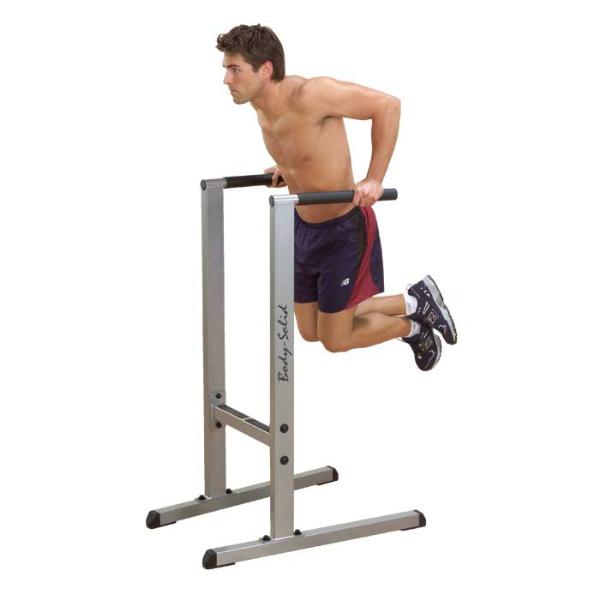
dips

These exercises can be made all level! I break down the levels.....

tricep dip:
tricep dips can be done either from a vertical position (level 2) or with the legs bend while hands supported on a platform in a seated position (level 1)

pull ups can be done either with support of a machine (level 1) or without as shown above (level 2.) Pull ups are hard but they are SOOO GOOD FOR YOU!
push ups: on your knees (level 1) or fully extended legs (level 2) but you must GO ALL THE WAY DOWN TO THE FLOOR OR IT DOESN'T COUNT AS A REPETITION!


Saturday, November 7, 2009

blog # 31 Theme eating behavior:prevent binge eating for thanksgiving and the holidays

Thanksgiving is around the corner and most of us dont have just one thanksgiving dinner but
3 or 4 and theres always leftovers too!

I have heard from numerous people that "I will just starve myself a few days before thanksgiving or after," but that is BAD NEWS!

Whats my advise? PREVENT BINGE EATING !

what is binge eating actually?
eating, in a discrete period of time, an amount of food that is definitely larger than most people would eat during a similar period of time. Depression and anxiety over the holidays can exacerbate this behavior.

binge eating disorder (BED)
A disorder characterized by the occurance of binge eating episodes at least twice a week for a 6-month period.

how do you stop/control this?:
space out your meals (every three hours)
portion control
exercise
destress
avoid temptations
eat breakfast!!!
talk to someone...get some help

When presented with a large amount of food pace yourself and stop when you are full. Read more about bing eating

Friday, November 6, 2009

blog #30 theme: cultural nutrition: spotlight on malnutrition

(PEM) protein-energy malnutrition is the worlds most widespread malnutrition problem, including both marasmus and kwashiorkor and states in which they overlap; also called protein-calorie malnutrition (PCM).

PEM strikes early in childhood in poor countries

Kwashiorkor is "a virulent form of childhood malnutrition characterized by edema, irritability, anorexia, and enlarged fatty liver."

what causes this?
lack of protien
lack of iron
lack of folic acid
lack of iodine
lack of selenium
lack of vitamin C

Marasmus vs. Kwashiorkor:
Marasmus is the calorie-deficiency disease; starvation where Kwashiorkor is a disease related to protein malnutrition, with a set of recognizable symptoms, such as edema.

marasmus: extreem loss of muscle and fat
Kwashiorkor: edema and enlarged liver with swollen belly:


mortality rates by country:
Rank Countries Amount
# 1 South Africa:820 deaths
# 2 Mexico:75 deaths
# 3 Brazil:46 deaths
# 4 Venezuela:13 deaths
= 5 Ecuador:11 deaths
= 5 Peru:11 deaths
# 7 Colombia:10 deaths
# 8 United States:8 deaths
# 9 Egypt:5 deaths
= 10 Nicaragua:3 deaths
= 10 Paraguay:3 deaths
= 12 Belize:2 deaths
= 12 Slovakia:2 deaths
= 14 Lithuania:1 deaths
= 14 Chile:1 deaths
= 14 Spain:1 deaths
= 14 Costa Rica:1 deaths
= 14 Poland:1 deaths
= 14 Czech Republic:1 deaths
= 14 Argentina:1 deaths
= 14 Hungary:1 deaths
= 14 Moldova:1 deaths
= 14 Israel:1 deaths
= 14 Panama:1 deaths
= 14 Japan:1 deaths
= 14 Sweden:1 deaths
Total:1,022 deaths
Weighted average:39.3 deaths


blog #29 Basic yoga moves done anywhere in or out of sequence

Today me and two other girls from my Nutrition Program at school are working in a group to educate some students at campus about health and wellness. This is part of our requirement for our Nutrition Education class.

why do yoga?
almost anyone can do some form of yoga
feels good
can transform your body and mind
help posture/alignment
good way to cross train
destress
improve strength, flexibility, endurance


Tonight I'm teaching a free yoga class at Brookdales Hunter college called "yoga on a towel"


the idea is that yoga doesnt have to be done on a yoga mat or in a yoga class.....it can be done anywhere at any time in any sequence.

here are some basic poses that can be done in or out of sequence:


downdog:


Uttanasana
Standing Forward Bend

Ardha Uttanasana
Standing Half Forward Bend
04_150x150.jpg
plank:


Chaturanga Dandasana
Four-Limbed Staff Pose

cobra

Urdhva Mukha Svanasana
Upward-Facing Dog


warrior 2

chair pose:

revolved chair pose:


Wednesday, November 4, 2009

blog # 28 GET WALKING


Walking is for almost EVERYONE

The walking site is a great tool to learn more details about how to get moving.

Did you know that you can burn the same amount of calories if you walk for one hour as you would running for half an hour?

Why walk?

  • Walking is a safe method to burn calories and increase your heart rate while enjoying scenery
  • Walking is safer on the knees and joints then running
  • Brisk walking and incorporating your arms in a pumping fashion burns more calories because you are using more of your body
  • Walking with a friend prevents boredom and can be heartwarming
  • Walking with your ipod can be entertaining and motivating to walk faster or briskly walk or even jog…..
  • mixing walking and running can be a good way to cross train
read about the run/walk plan from Runners world


reach out:

There are walking groups that you can join

online discussion groups

NYC walking group

American Council on Exercise says

A regular walking program can help:

  • Reduce blood cholesterol
  • Lower blood pressure
  • Increase cardiovascular endurance
  • Boost bone strength
  • Burn calories and keep weight down
  • Use the Rating of Perceived Exertion Scale that I blogged about yesterday to see if you are challenging yourself enough during your walk. Have you increased your endurance? STICK WITH IT!

  • are you challenging yourself enough?
  • walking fast enough?
  • mix it up and get moving.....no excuses!